

FASCIAL STRETCH THERAPY
Book your Fascial Stretch Therapy session.
FASCIAL STRETCH THERAPY
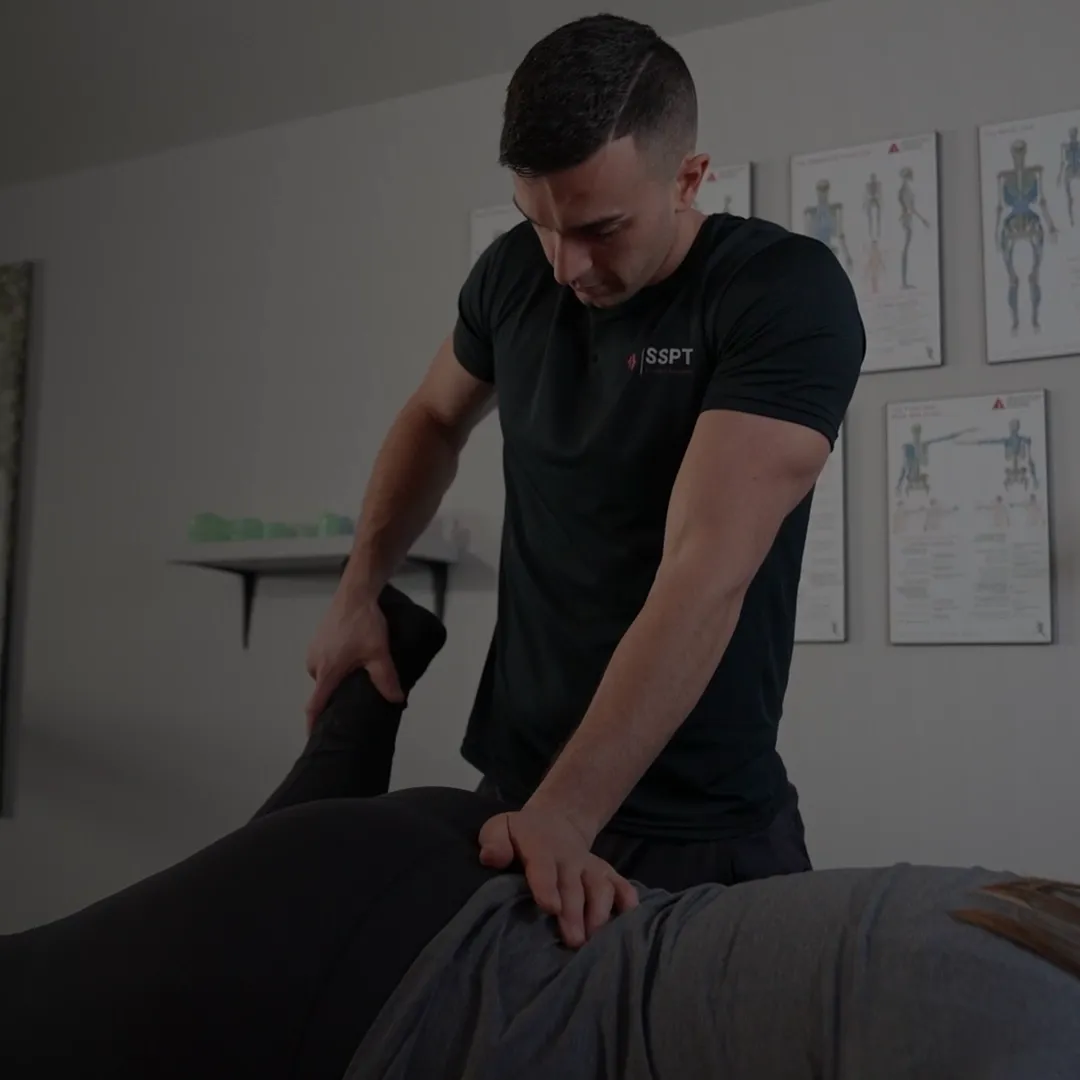
Fascial Stretch Therapy (FST) is a specialized, neural-assisted manual therapy that targets the entire myofascial chain rather than isolated muscles. By decompressing joints and synchronizing breathing with movement, it provides rapid improvements in mobility, accelerates recovery by down-regulating the nervous system, and enhances athletic performance through better power transfer.”
Fascial Stretch Therapy is a table-based, assisted stretching system that focuses on the fascia—the connective tissue wrapping around muscles, bones, and joints. Unlike traditional "static" stretching, which often targets individual muscles in a single plane, FST uses rhythmic, multi-planar movements to create space within the joint capsule and the surrounding soft tissue.
Injury Prevention and Recovery
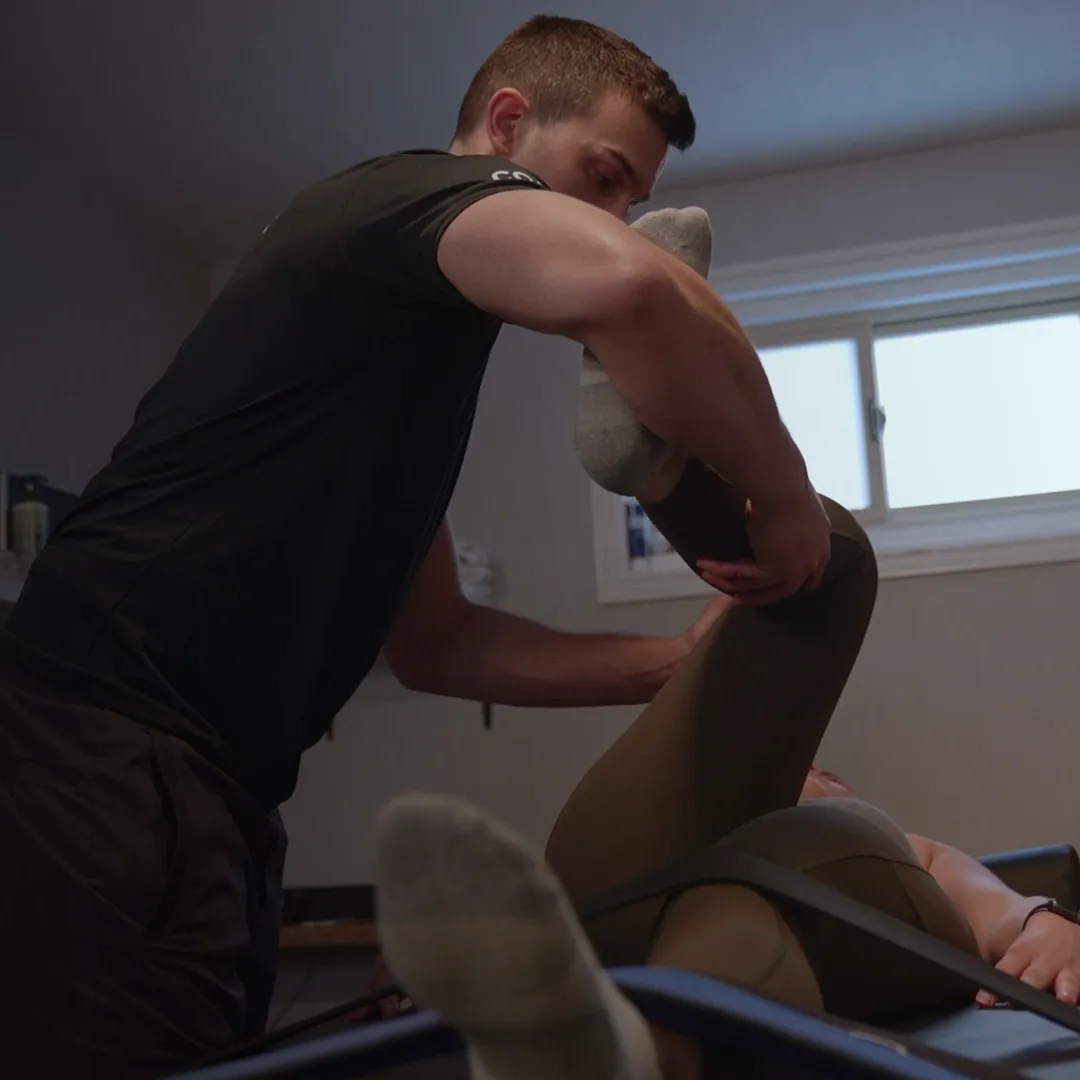
For clients focused on longevity or returning from an injury, FST serves as a bridge between acute rehabilitation and full-performance training.
Joint Decompression: FST begins at the joint capsule. By creating "room" in the joint (specifically the hip and shoulder), it reduces the friction and impingement that often lead to chronic conditions like bursitis or tendinopathy.
Reduced Muscle Guarding: By using "PNF" (Proprioceptive Neuromuscular Facilitation) techniques, FST bypasses the body’s natural stretch reflex, allowing the tissue to lengthen without the brain sending a "protective" signal to tighten up.
Enhanced Blood Flow: The undulating movements act as a pump for the lymphatic system and blood vessels embedded within the fascia, speeding up the removal of metabolic waste and the delivery of nutrients to damaged tissues.
Postural Alignment
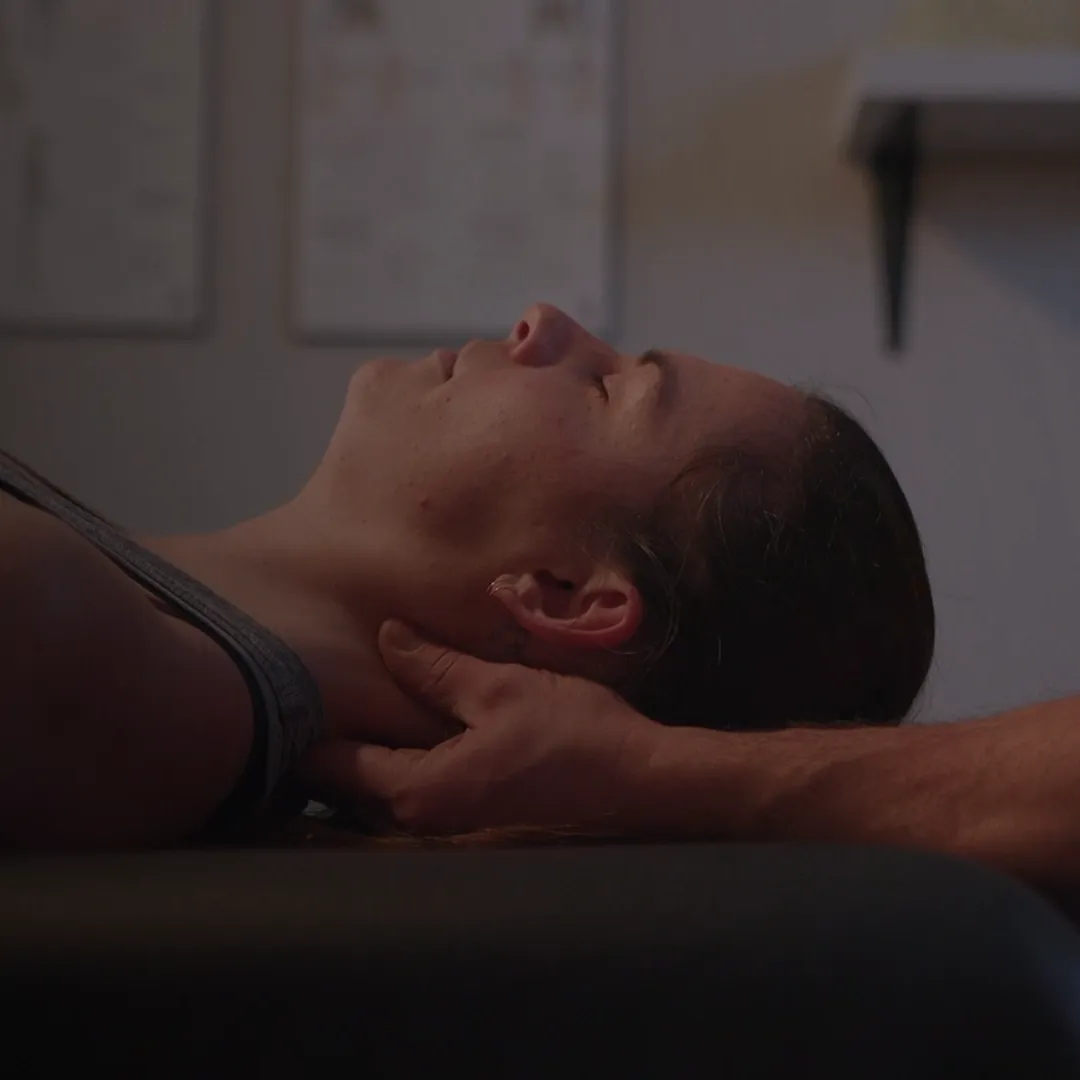
Chronic pain is often a result of "postural set points" caused by repetitive stress or sedentary habits. FST addresses these by treating the body as a continuous web.
Correcting Imbalances: Because fascia connects the bottom of the foot to the crown of the head, FST can resolve low back pain by addressing tightness in the hip flexors or even the calves.
Restoring Structural Integrity: By loosening the "shrink-wrap" effect of tight fascia, the skeleton can return to its neutral alignment, reducing the energy cost of standing and moving.
Mobility and Athletic Performance
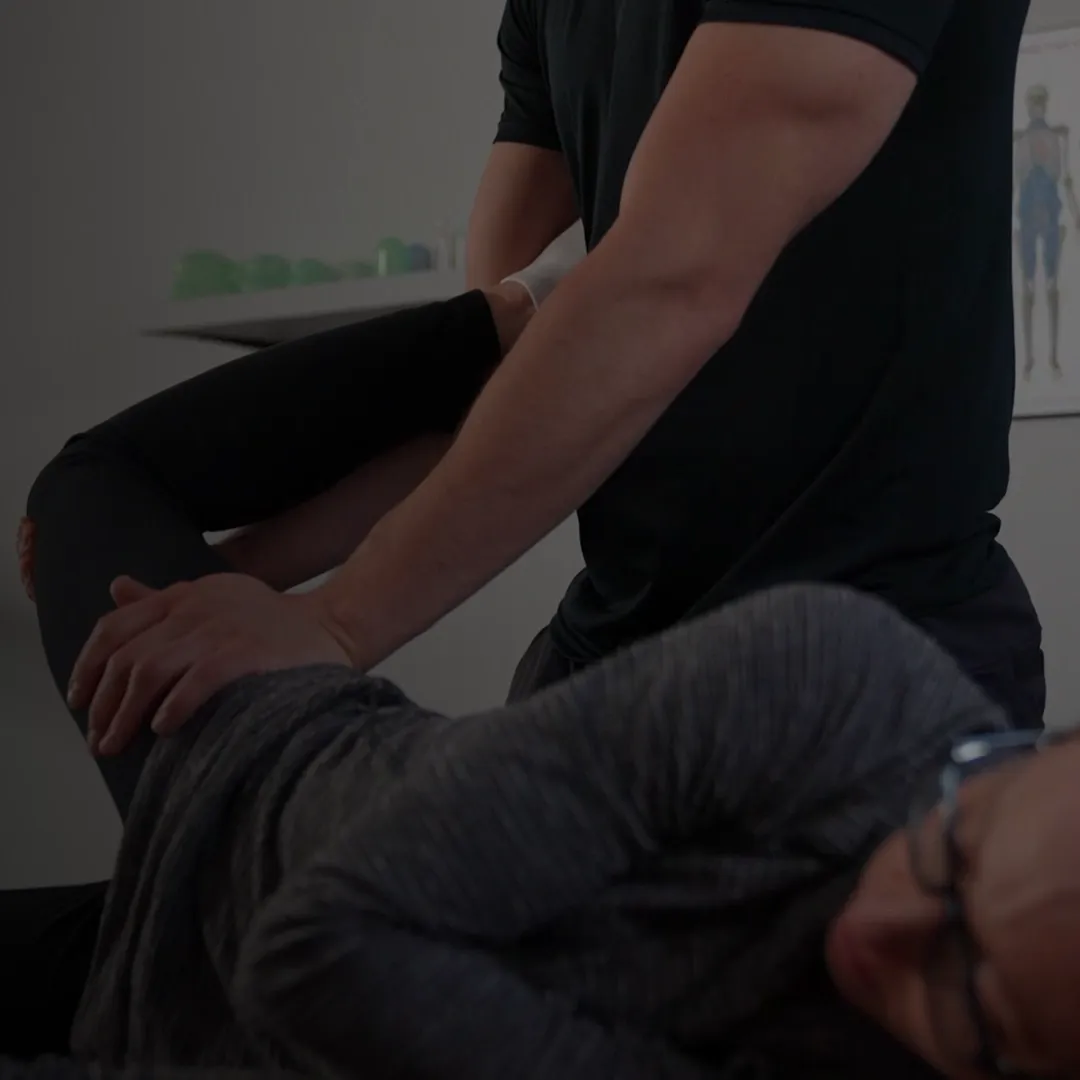
For high-performers, mobility is the foundation of power. FST optimizes the body's mechanical efficiency.
Increased Range of Motion (ROM): FST provides immediate, measurable gains in ROM that are often more permanent than traditional stretching because it addresses the neurological component of flexibility.
Force Transmission: Fascia is responsible for transmitting force from muscle to bone. Hydrated, pliable fascia allows for more explosive movements and better "snap" in athletic transitions.
Nervous System Regulation: FST shifts the client from a "sympathetic" (fight or flight) state into a "parasympathetic" (rest and digest) state. This lower stress floor allows for deeper sleep and faster systemic recovery between high-intensity training sessions.
USER EXPERIENCE
This modality allows for the recipient to remain fully clothed for comfort.
Alternative modalities such as cupping, gua sha (scraping) or targeted vibration therapy may be used to increase the effectiveness of the treatment.
This treatment will increase effectiveness of physical activity as well as any other modalities that may be used in a pain management protocol.
COMPANY
COACHING
PAIN MANAGEMENT
RECOVERY
LEGAL


© Copyright 2026. SSPT Fitness & Wellness / MACROS. 861 Warwick Street, Woodstock Ontario N4S4R6. All Rights Reserved.